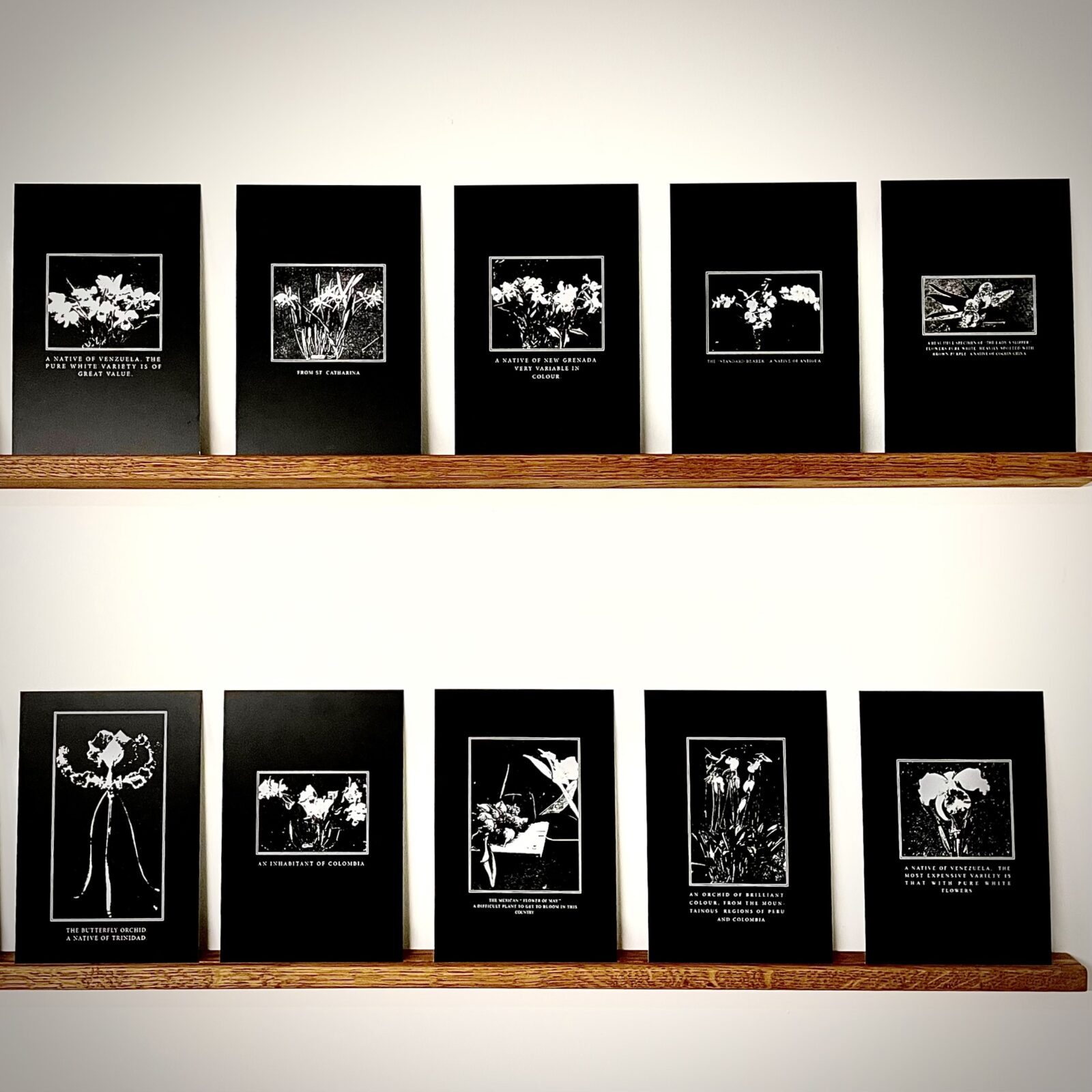
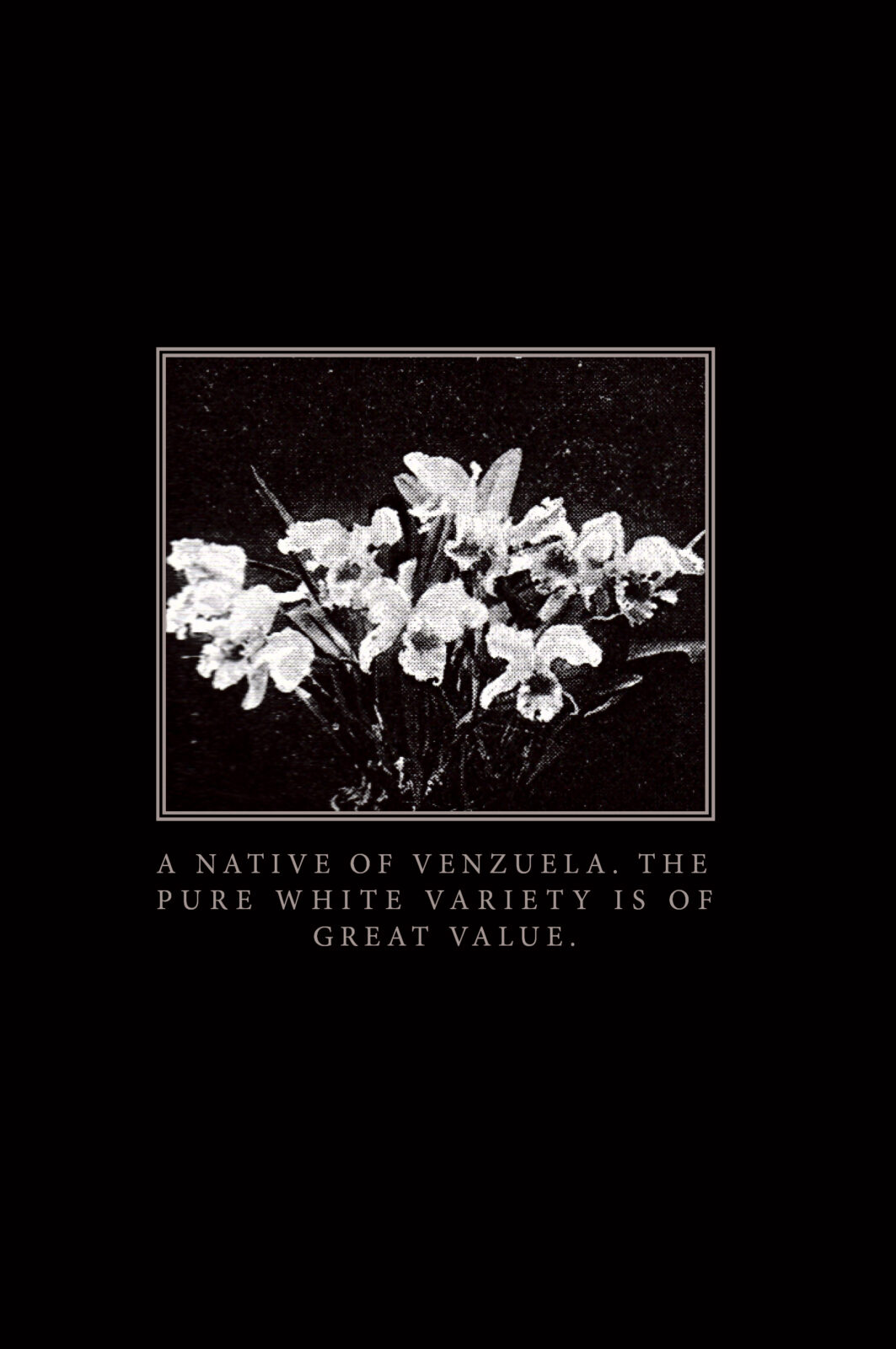
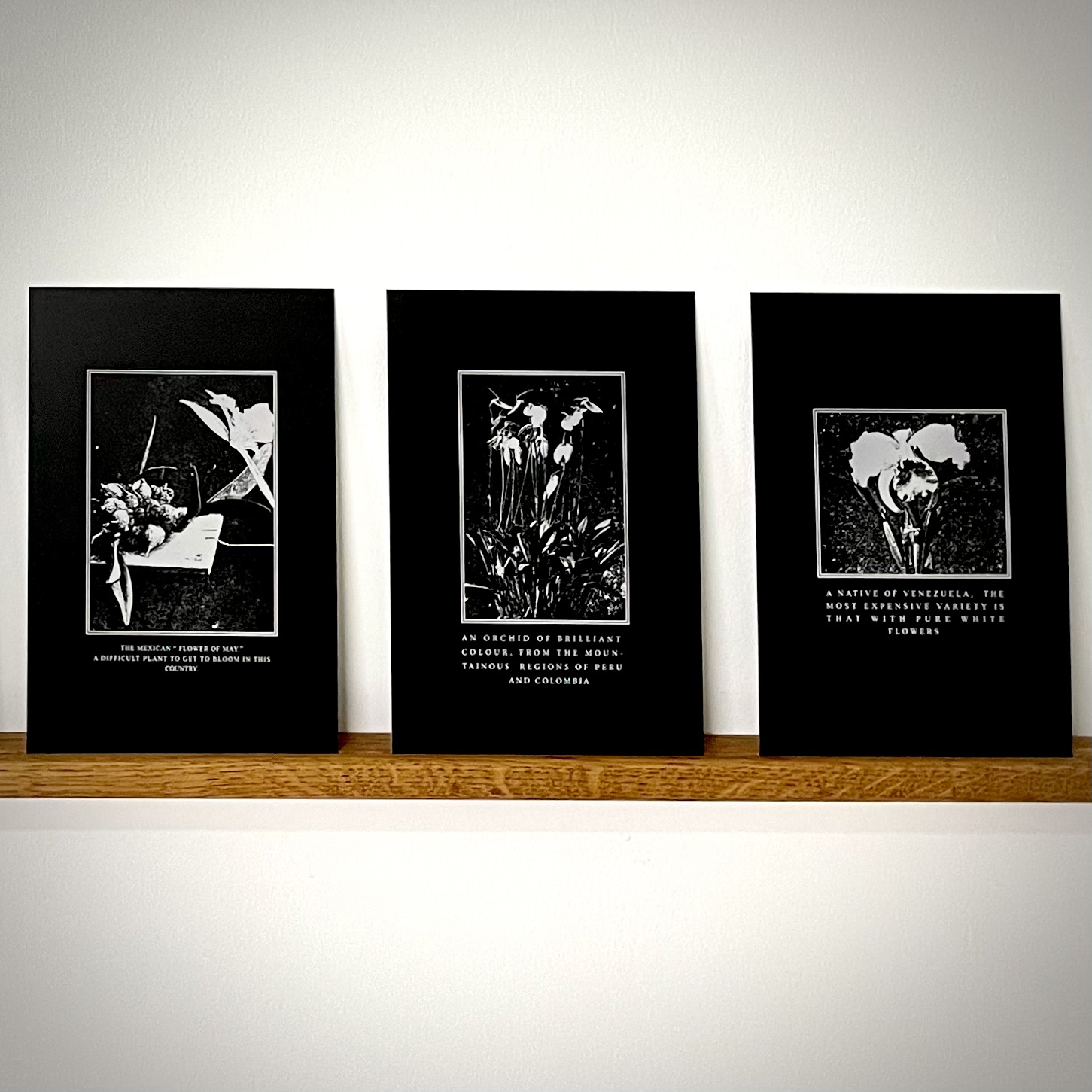
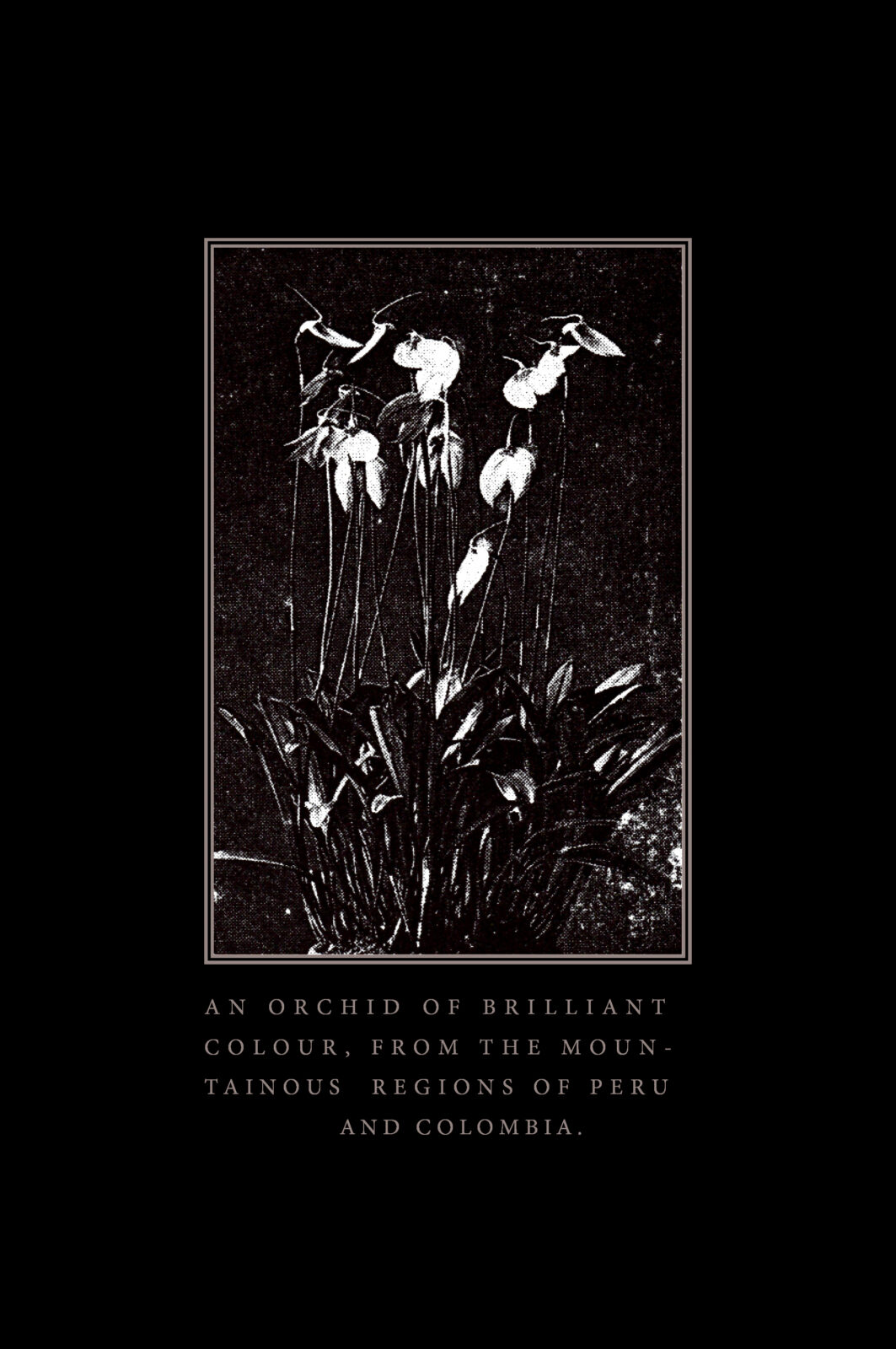
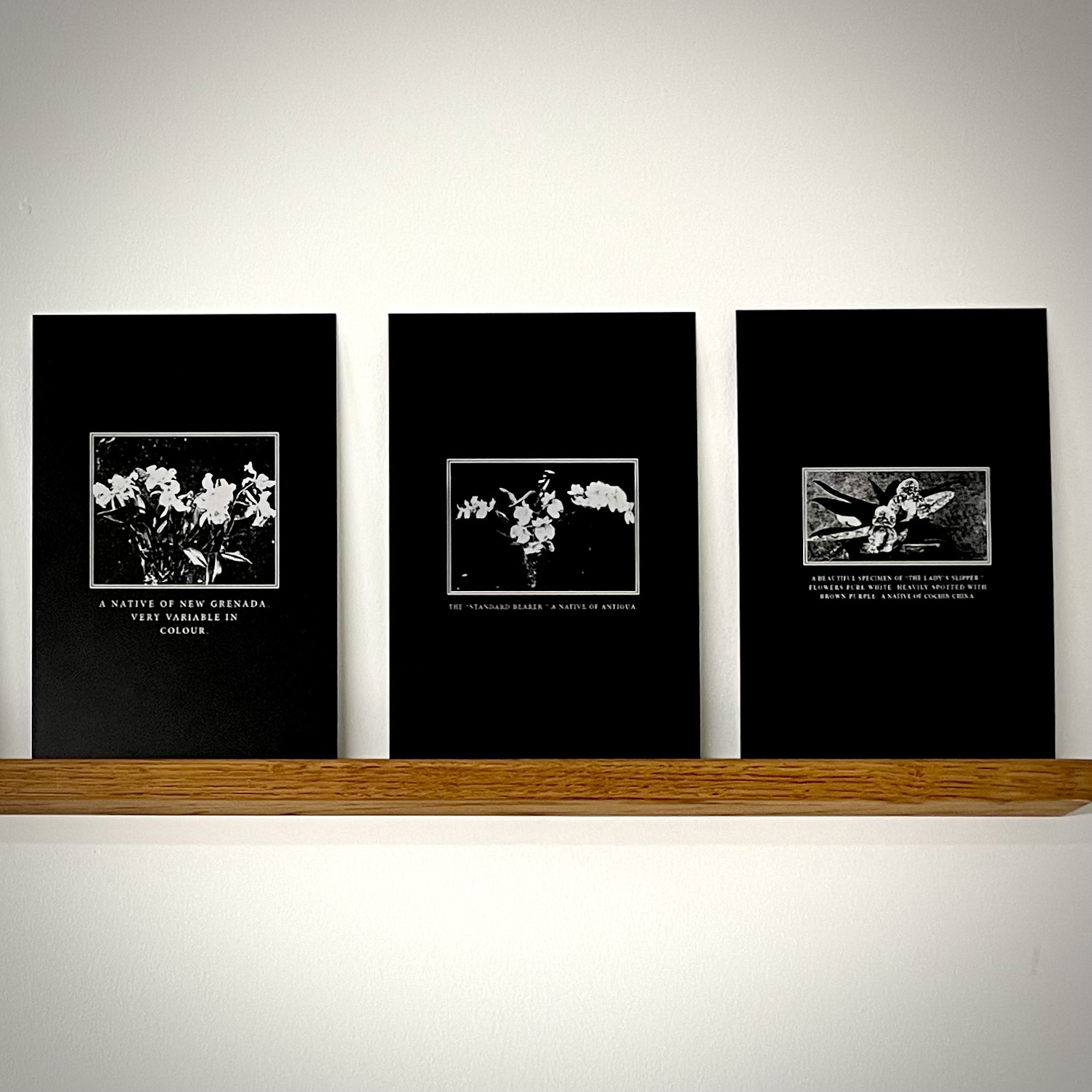
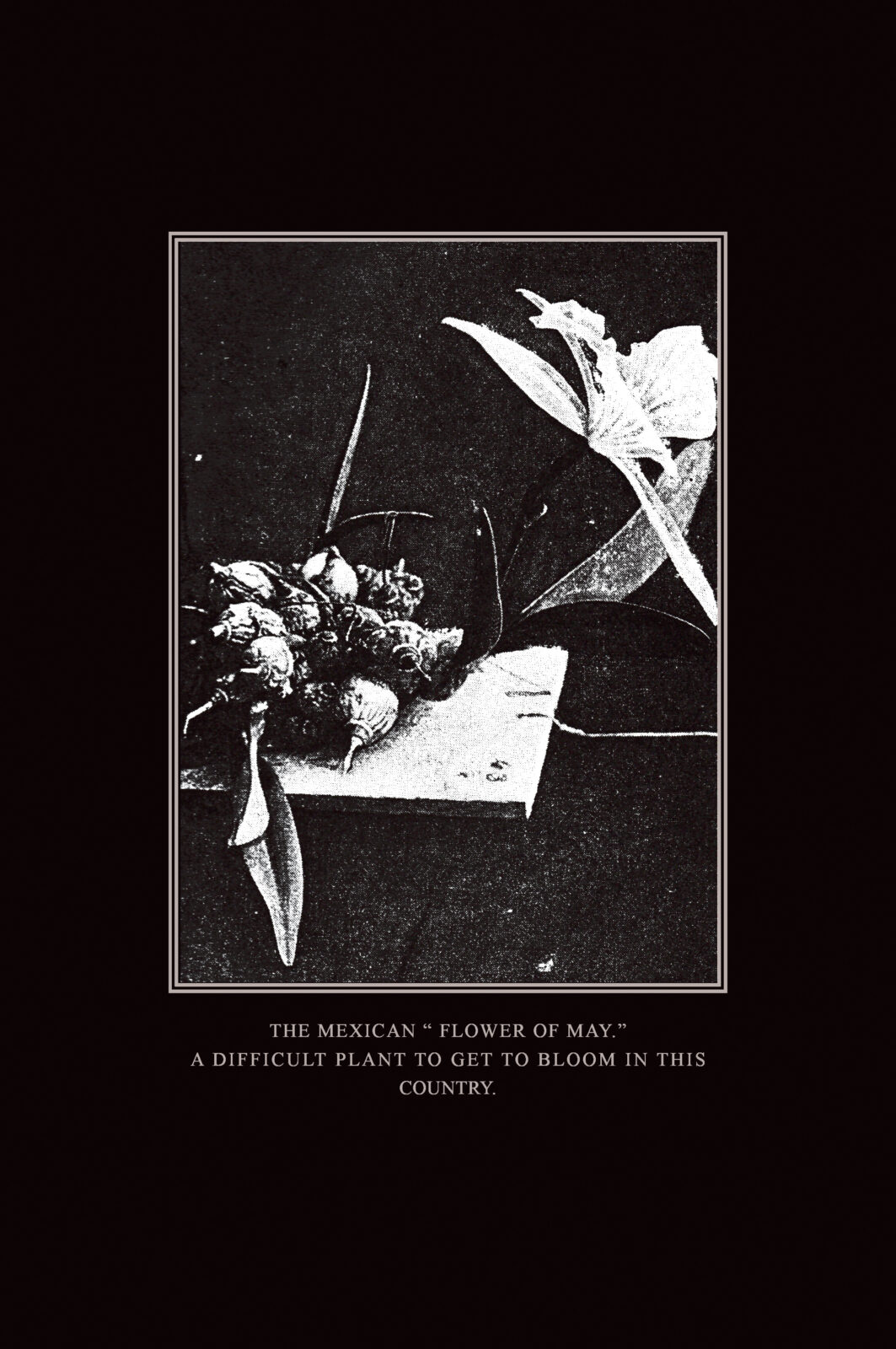
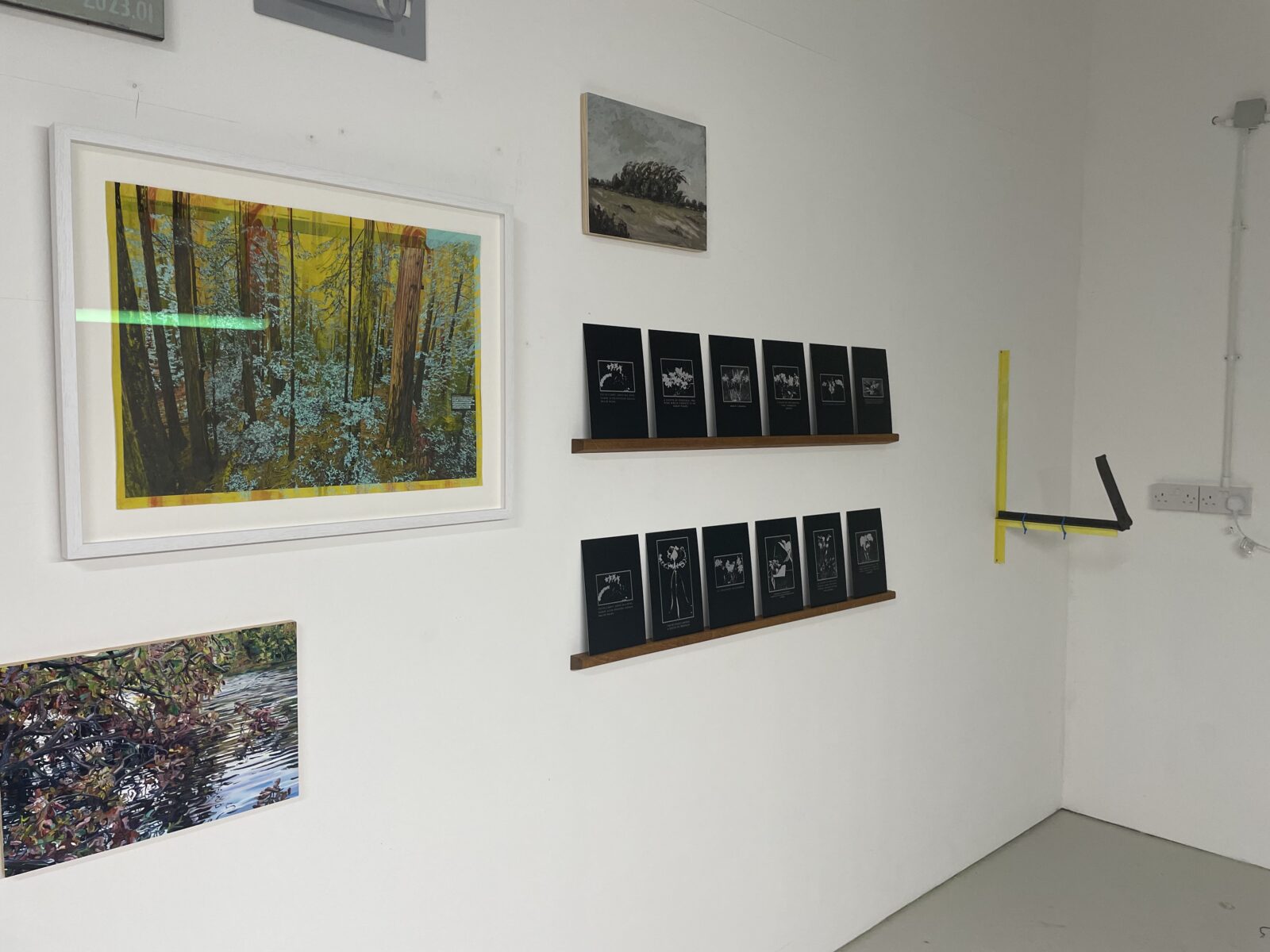
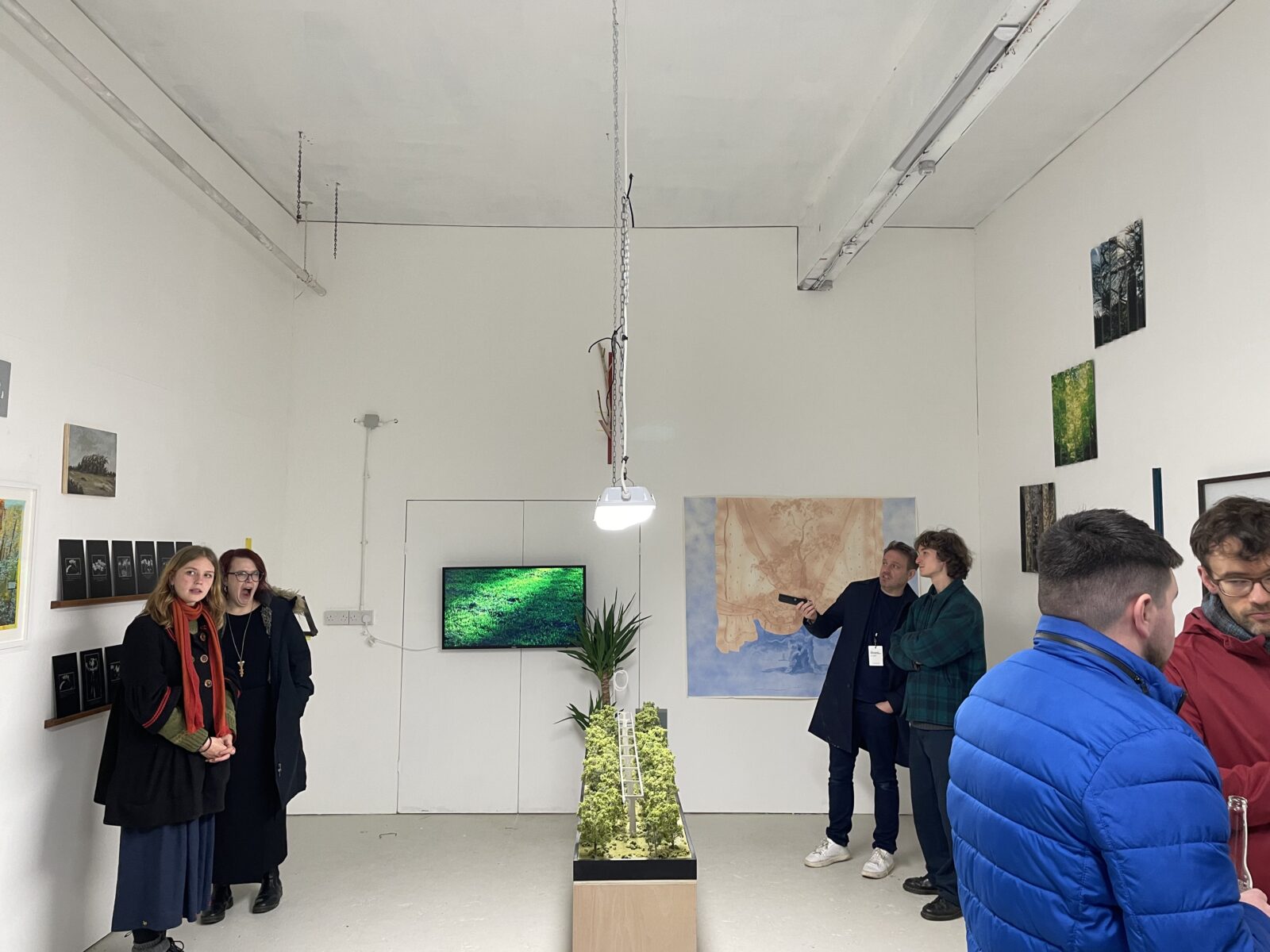

‘Orchidelirium’
Series of laser etched prints on black anodised aluminium, displayed on a bespoke oak shelf.
166mm x 250mm
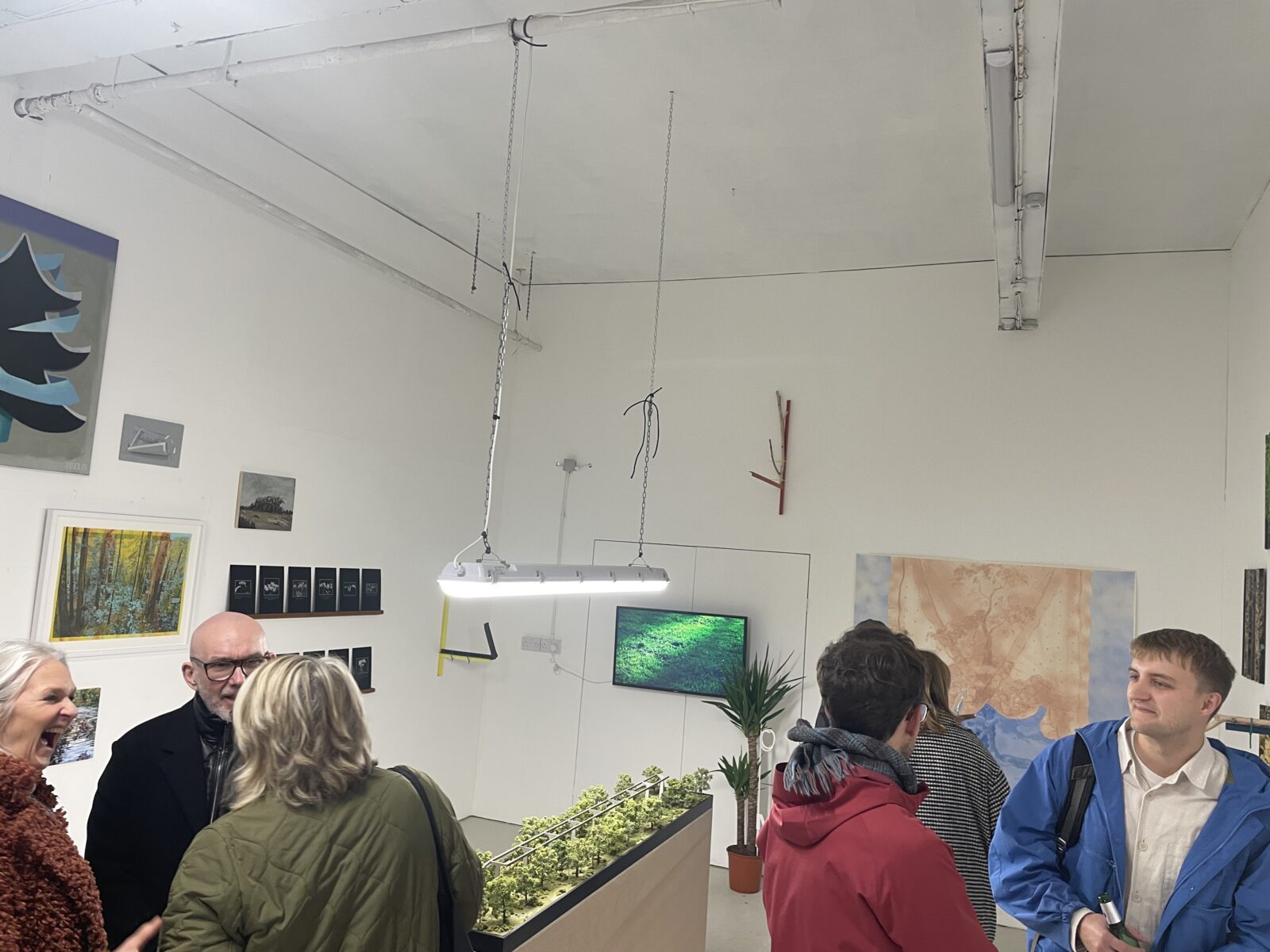
On show as part of the group exhibition ‘Tree and Leaf’
@division_of_labour
Paradise Works, Manchester
A group show of artworks; film, sculpture, photography and painting depicting trees by artists from Birmingham and the West Midlands. The theme of the exhibition is inspired by a short story by JRR Tolkien; Leaf by Niggle. An allegory of the creative process and, to an extent, Tolkien’s own life, which follows the structure of Dante’s Divine Comedy.
Around 1939 the story of Leaf by Niggle came to JRR Tolkien in a dream and was first published in the Dublin Review in January 1945. It was reprinted in Tolkien’s book Tree and Leaf which is available as a gallery copy in the exhibition.
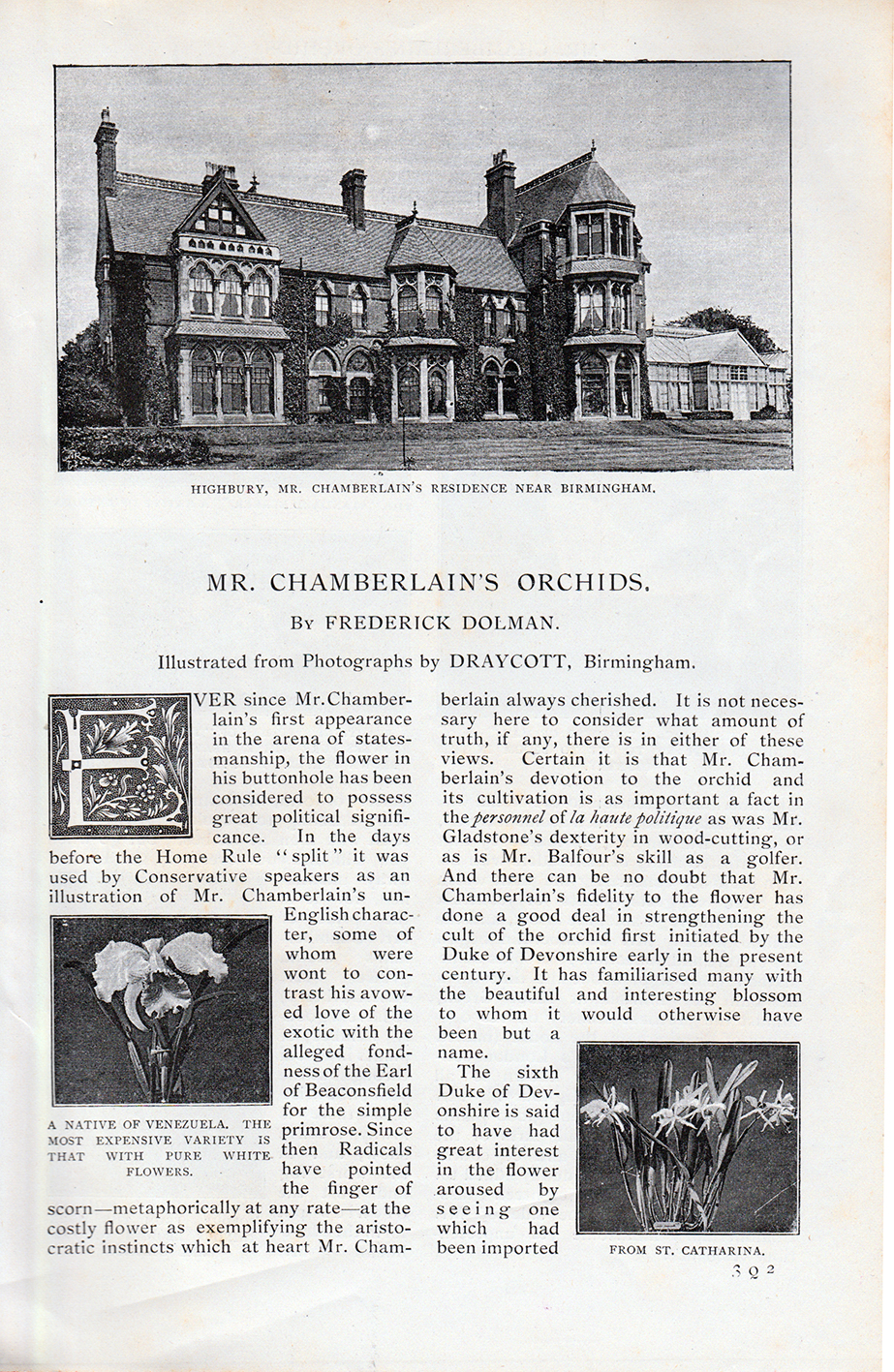
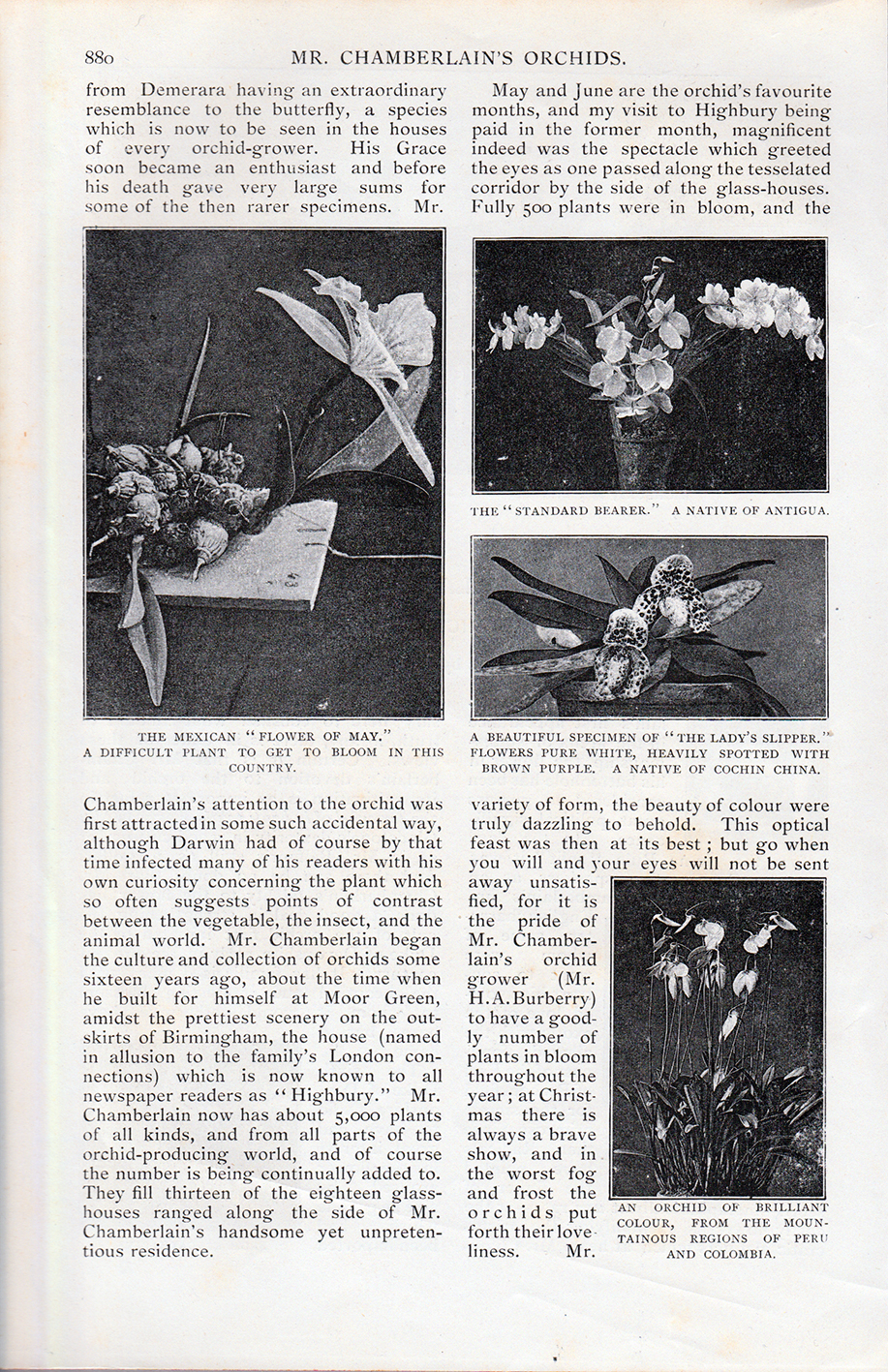
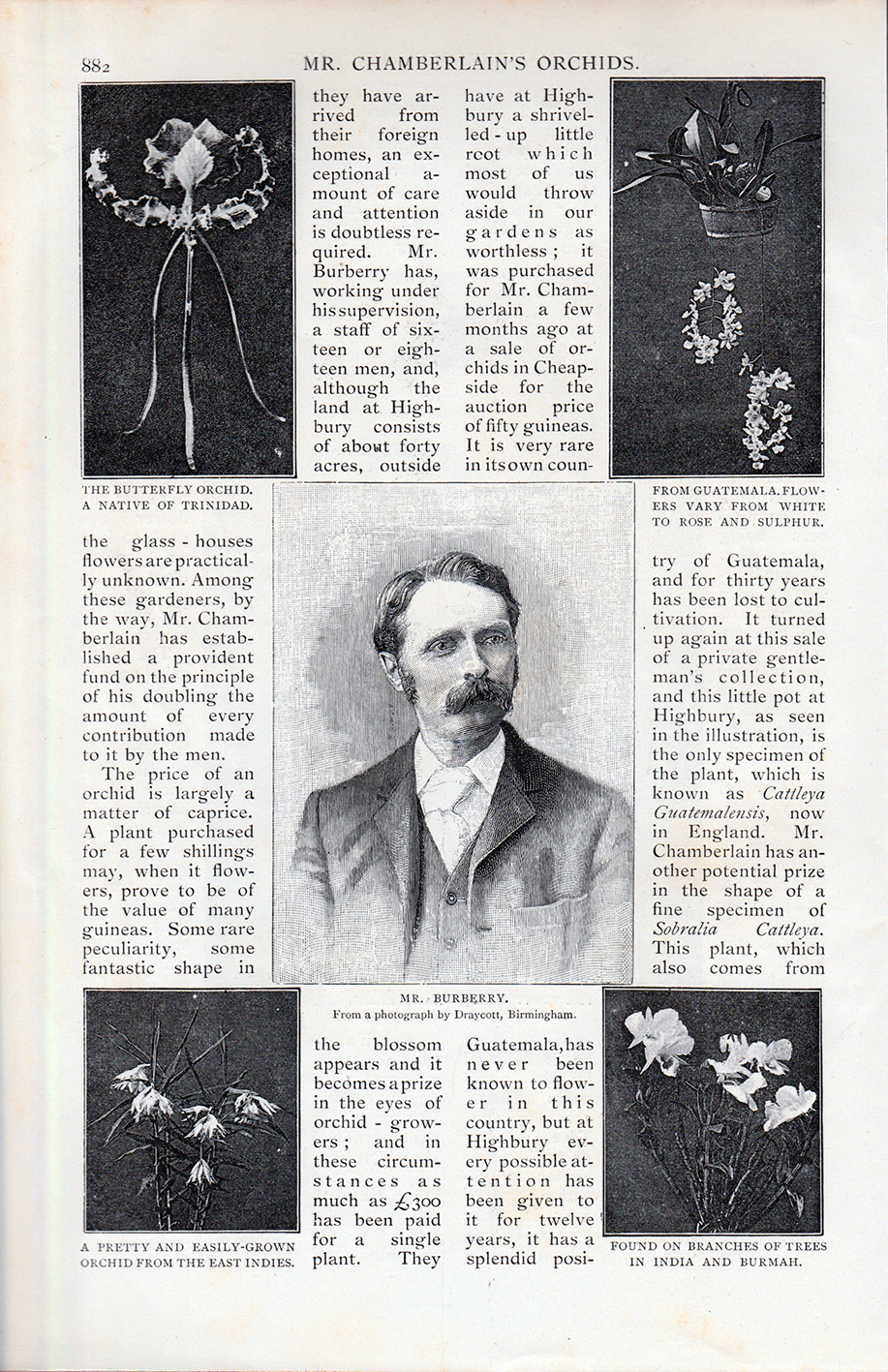
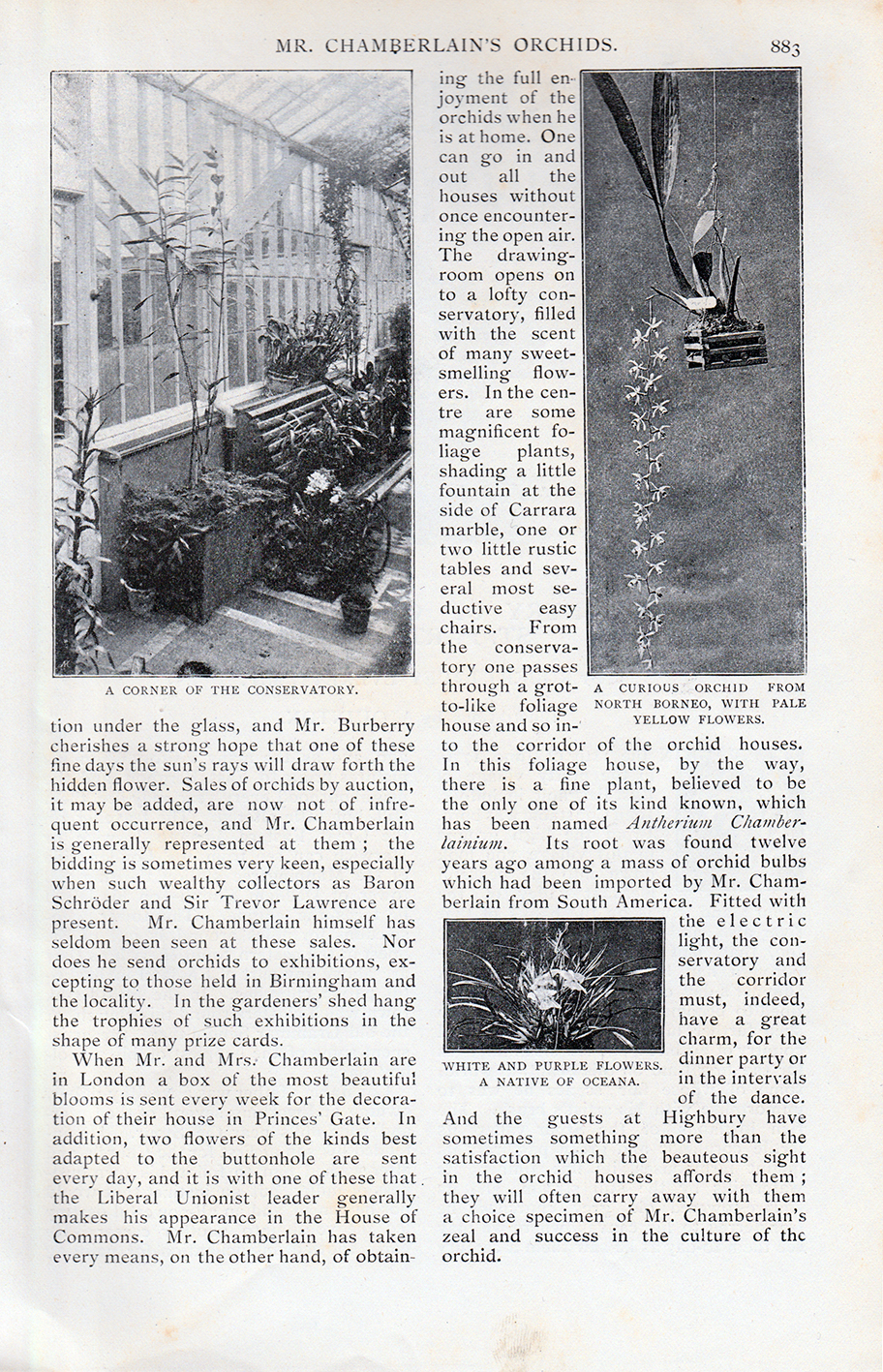
For the work ‘Orchidelirium’, I extracted images from an 1872 magazine profile on UK politician Joseph Chamberlain that discussed the extensive orchid collection he had accrued at his Birmingham residence, Highbury. References to the orchids aesthetic appearance, nomenclature, and ability to grow in temperate conditions are discussed with little attention given to the impact their removal from their native habitat may have had.
In the 19th Century there was a craze amongst wealthy Europeans for orchid collecting that had a lasting impact on biodiverse habitats. Chamberlain was an avid orchid collector and imported hundreds of thousands of plants from orchid producing countries. His flamboyant dress and buttonhole orchid made him an instantly recognisable figure but maintaining this image had a substantial environmental cost.
Chamberlain’s favoured orchid was the Odontoglossum crispum (now termed Oncidium alexandrae), which was considered at the time to be one of the most beautiful orchids in the world. By choosing to regularly wear this rare variety Chamberlain helped fuel an unregulated and destructive trade that resulted in substantial habitat loss in orchid producing countries such as Colombia, where Odontoglossum crispum was a native species.
Many desirable orchids rested high in the tree canopies of tropical rainforests; with the accepted means of acquiring them being to fell entire trees so that the highly prized plants could be harvested easily.
Chamberlain’s industrial background is obliquely referenced in the work by nature of the images being printed on to sheet metal. Chamberlain made his fortune from the sale of his share in the screw making company Nettlefolds, which gave him the funds to enter politics and pursue his passion for orchid collecting. Nettlefolds later became part of the FTSE-100 company Guest Keen Nettlefolds, which is now a leading manufacturer of military aircraft.
Many orchid varieties are grown today on an industrial scale in huge glasshouses in Northern Europe and this machine process of plant replication has echoes of the standardisation processes that Chamberlain pioneered when he was involved in screw making production.
The Odontoglossum crispum continues to be considered one of the world’s most beautiful orchids, but its appearance in Europe has changed considerably having been cross breed and hybridised with other species.
With numbers in the wild remaining unclear, my wider project ‘Mr Chamberlain’s Orchids’ aimed to raise awareness of the historical issues connected with the orchid trade and the associated habitat loss that illegal collection continues to have.